
A turnkey HDPE pipeline solution provides a different approach to HDPE services. HDPE pipeline projects involve much more than supplying lengths of pipe. A successful pipeline requires the right materials, fittings, fabrication, welding, installation, testing and technical coordination. When these activities are managed separately, contractors and project teams may need to coordinate multiple suppliers and service providers throughout the project.
Instead of sourcing every component and service separately, a contractor can work with one experienced HDPE company that supports multiple stages of the project, from material supply through to installation and testing.
What Is a Turnkey HDPE Pipeline Solution?
A turnkey HDPE pipeline solution involves providing multiple services required to deliver an operational pipeline system.
Depending on the project scope, this can include:
- HDPE pipe supply
- HDPE fittings
- Custom fabrication
- Butt fusion welding
- Electrofusion welding
- Pipeline installation
- Pressure testing
- Technical support
- Quality documentation
The exact scope depends on the project’s engineering requirements and contract. The objective is to create a coordinated pipeline solution rather than treating pipe supply, fabrication and installation as completely separate activities.
1. Project Planning
Every successful pipeline project starts with understanding the requirements.
Before materials are ordered, the project team should establish:
- Pipeline application
- Required pipe diameter
- Pressure rating
- Total pipeline length
- Fitting requirements
- Operating conditions
- Site conditions
- Installation method
- Welding requirements
- Testing requirements
Proper planning helps identify the materials and services required before construction begins. It can also reduce the risk of ordering incorrect components or discovering fabrication requirements after installation has already started.
2. HDPE Pipe and Fitting Supply
The next stage is sourcing the required HDPE products. Depending on the project, this may include straight pipe, bends, elbows, tees, reducers, stub ends, backing rings, flanges, electrofusion fittings and valves. The selected products should match the project’s design requirements, including diameter, pressure rating, material specification and application. A coordinated supplier can help ensure that pipe and fittings are planned as part of the same pipeline system.
3. Custom HDPE Fabrication
Not every pipeline can be constructed using standard fittings. Complex layouts may require custom-fabricated components designed to suit the pipeline’s dimensions and configuration.
Fabricated HDPE components can include:
- Segmented bends
- Custom elbows
- Tees
- Reducers
- Stub ends
- Flange assemblies
- Special pipeline fittings
Fabrication may take place in a workshop or, where appropriate, on site. Early coordination between engineering, fabrication and installation teams can help ensure that custom components are ready when they are needed.
4. HDPE Welding
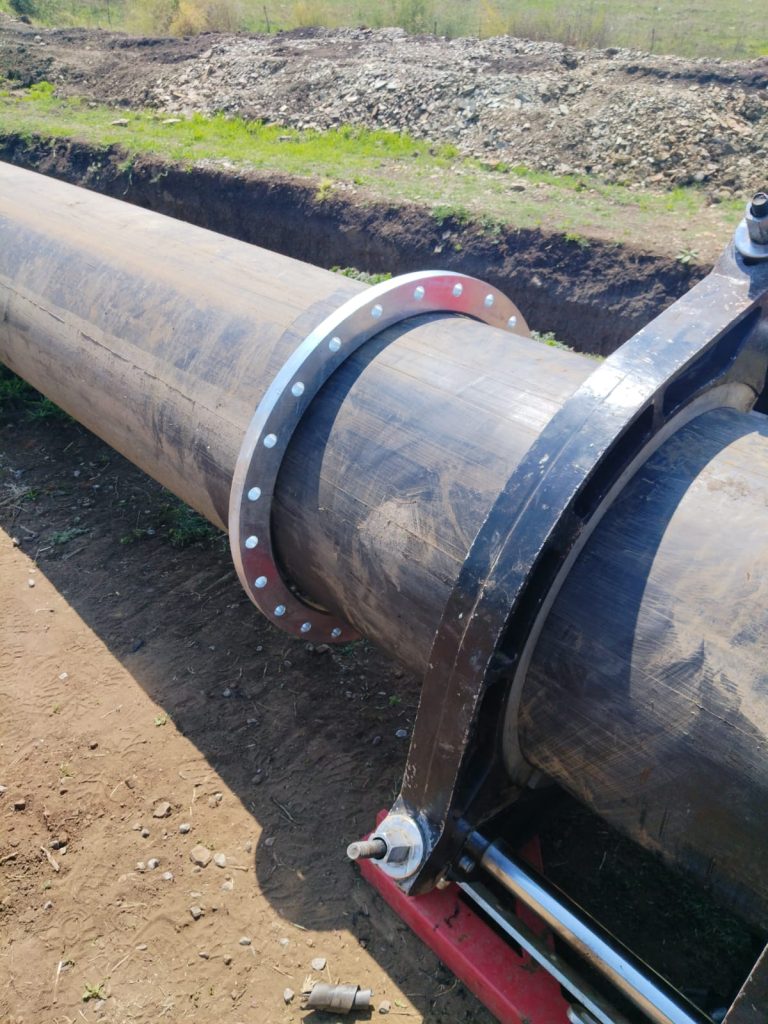
Welding creates the permanent joints that connect many sections of an HDPE pipeline. Depending on the project requirements, joining methods can include butt fusion, electrofusion and thermoplastic welding. Quality welding requires more than simply heating and joining two pipe ends. It involves appropriate equipment, surface preparation, heating parameters, alignment, joining procedures and inspection. Equipment maintenance and calibration, together with trained personnel and appropriate documentation, are also important parts of a controlled welding process.
5. Pipeline Installation
Once materials and components are ready, the pipeline can be installed according to the project design.
Installation activities may include:
- Site preparation
- Pipe handling
- Trenching
- Pipe positioning
- Stringing
- Welding
- Fitting installation
- Connections to existing infrastructure
- Backfilling
- Site reinstatement
Site conditions can significantly influence installation requirements. Mining and remote infrastructure projects, for example, may involve difficult terrain, long pipeline routes, existing infrastructure and restricted site access.
6. Quality Control and Documentation
Quality control should continue throughout the project rather than only at the final stage.
Depending on project requirements, documentation may include:
- Material certificates
- Certificates of conformity
- Welding records
- Welder qualification records
- Inspection records
- Equipment calibration records
- Fabrication documentation
- Pressure-testing records
Maintaining appropriate records creates traceability and provides project teams with evidence of the work completed.
7. Pressure Testing
Before a pipeline is commissioned, testing may be required to verify its integrity. Pressure testing should follow the applicable project requirements and procedures. Testing can help identify issues before the pipeline enters service and can provide documented confirmation that the completed system has been tested according to the required specifications.
Where required, independent certification can also form part of the testing process.
Benefits of a Turnkey HDPE Pipeline Approach
Using one company for multiple stages of a pipeline project can provide several practical benefits.
Better Coordination
When supply, fabrication, welding and installation are coordinated by one team, information can move more easily between different stages of the project.
Simplified Procurement
Instead of managing multiple suppliers for different components and services, contractors can consolidate more of their HDPE requirements.
Consistent Technical Approach
A supplier involved from material selection through to installation has greater visibility of the overall pipeline requirements.
Improved Project Planning
Fabrication, delivery, welding and installation can be coordinated around the project schedule.
Single Point of Contact
Having one primary HDPE service provider can simplify communication when technical or installation questions arise.
Turnkey HDPE Pipeline Solutions for Mining and Infrastructure
Turnkey solutions can be particularly useful for projects where pipelines cover long distances or involve complex installation requirements.
HDPE is commonly used in applications such as:
- Mining slurry pipelines
- Mine water pipelines
- Dewatering systems
- Tailings systems
- Process water
- Municipal water infrastructure
- Wastewater systems
- Industrial pipelines
- Agricultural water systems
Each application requires appropriate material selection, design and installation practices.
Turnkey HDPE Pipeline Solutions in South Africa
Arrant Wise provides HDPE supply, fabrication, welding and installation services for projects in Limpopo and across South Africa.
Our capabilities include:
- HDPE pipe and fitting supply
- Custom HDPE fabrication
- Butt fusion welding
- Electrofusion welding
- Thermoplastic welding
- Pipeline installation
- Technical support
- Pressure testing
- Project documentation
By combining these capabilities, Arrant Wise can support contractors and project teams across multiple stages of an HDPE pipeline project.
Final Considerations
A pipeline project does not end when the pipe arrives on site. Successful delivery requires coordination between product selection, fabrication, welding, installation, quality control and testing.
For contractors and project managers, a turnkey HDPE pipeline approach can simplify this process by bringing multiple requirements together under one coordinated service. Whether the project involves mining, municipal infrastructure, industrial applications or water systems, selecting an HDPE partner with the right technical and installation capabilities can help create a more coordinated project from supply through to commissioning.
Contact Arrant Wise for turnkey HDPE pipeline solutions, including supply, fabrication, welding, installation and pressure testing in Limpopo and across South Africa.