

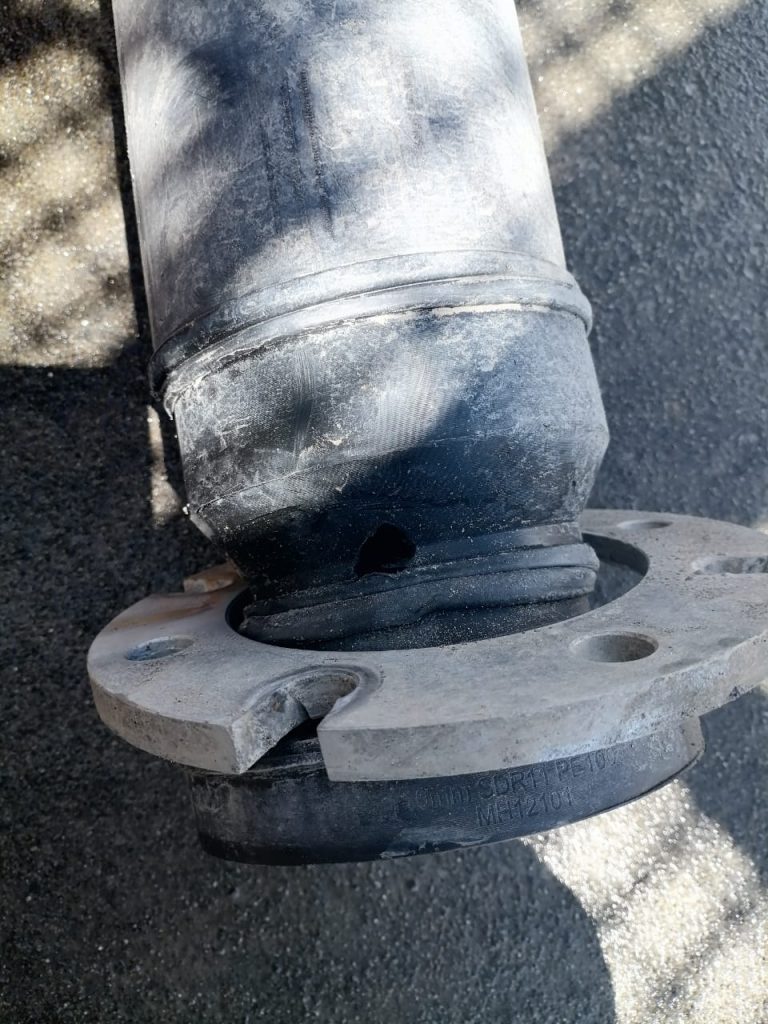
High-Density Polyethylene (HDPE) pipelines have become the preferred choice for water distribution, mining slurry transport, wastewater management, and industrial applications throughout South Africa. Their flexibility, corrosion resistance, and long service life make them a reliable solution for demanding environments.
However, while HDPE pipes are extremely durable, pipeline failures can still occur. In most cases, these failures are not caused by the pipe material itself but by installation errors, welding defects, poor handling, or inadequate quality control.
Understanding the common causes of HDPE pipeline failures can help project owners, engineers, contractors, and maintenance teams prevent costly repairs, downtime, and safety risks.
Common Causes of HDPE Pipeline Failures
1. Poor Welding Practices
One of the most frequent causes of HDPE pipeline failures is poor-quality welding. HDPE pipelines are commonly joined using butt fusion welding. If welding procedures are not followed correctly, weak joints can develop, increasing the risk of leaks or joint failure under pressure.
Common welding mistakes include:
- Incorrect heating temperatures
- Insufficient fusion pressure
- Contaminated pipe surfaces
- Improper alignment of pipe ends
- Inadequate cooling time
Even a small welding defect can compromise the integrity of the entire pipeline system.
How to Prevent It
- Use qualified and experienced welding technicians.
- Follow approved welding procedures.
- Ensure welding equipment is properly calibrated.
- Clean all pipe surfaces before welding.
- Conduct visual inspections and quality checks on all welds.
2. Improper Pipe Installation
Incorrect installation practices can place unnecessary stress on HDPE pipelines and reduce their lifespan.
Common installation issues include:
- Excessive bending beyond design limits
- Poor trench preparation
- Uneven bedding material
- Improper backfilling
- Inadequate support structures
These conditions can create stress concentrations that eventually lead to deformation or failure.
How to Prevent It
- Follow project-specific installation specifications.
- Prepare trenches according to engineering requirements.
- Use suitable bedding and backfill materials.
- Ensure pipes are properly supported throughout the installation process.
- Train installation crews on HDPE handling requirements.
3. Damage During Transportation and Handling
HDPE pipes are durable, but improper handling during transportation and storage can cause damage before installation even begins.
Potential issues include:
- Deep scratches and gouges
- Impact damage
- Excessive stacking heights
- Exposure to sharp objects
- Improper lifting techniques
Damaged pipes may appear acceptable visually but can become weak points once the system is pressurized.
How to Prevent It
- Inspect pipes upon delivery.
- Use approved lifting equipment and procedures.
- Store pipes on level ground.
- Protect pipes from sharp edges and heavy impacts.
- Follow manufacturer storage guidelines.
4. Inadequate Pressure Testing
Pressure testing is essential before commissioning a new HDPE pipeline. If testing is skipped or performed incorrectly, hidden defects may remain undetected until the pipeline is operational.
Potential consequences include:
- Undetected weld defects
- Leaks
- Joint failures
- Reduced system reliability
How to Prevent It
- Conduct hydrostatic pressure testing according to project specifications.
- Follow applicable SANS and international standards.
- Record and document all test results.
- Resolve any identified issues before commissioning.
5. Operating Beyond Design Limits
Every HDPE pipeline is designed for specific operating conditions, including pressure, temperature, and flow requirements. Problems can arise when systems are operated outside their design parameters.
Examples include:
- Excessive operating pressure
- Water hammer effects
- Elevated temperatures
- Unexpected chemical exposure
Over time, these conditions can reduce pipeline performance and shorten service life.
How to Prevent It
- Select the correct pipe pressure rating (PN class).
- Install surge protection where necessary.
- Monitor operating conditions regularly.
- Ensure the pipe material is suitable for the intended application.
6. Poor Quality Control
Even with quality materials, a lack of quality control during fabrication and installation can result in failures.
Common quality issues include:
- Inconsistent welding records
- Unqualified personnel
- Lack of inspections
- Failure to follow project procedures
How to Prevent It
- Implement a formal quality management system.
- Maintain detailed welding records.
- Conduct routine inspections.
- Use certified personnel and equipment.
- Follow ISO and SANS standards throughout the project.
The Importance of Quality HDPE Welding
Since pipeline joints are often the most critical part of any HDPE system, proper welding practices are essential.
A correctly executed butt fusion weld creates a joint that can be as strong as, or stronger than, the pipe itself. This is why investing in experienced welding contractors and quality assurance processes is critical for long-term pipeline performance.
Why HDPE Remains One of the Most Reliable Pipeline Materials
Despite the potential causes of failure discussed above, HDPE remains one of the most dependable piping materials available today.
Its benefits include:
- Excellent corrosion resistance
- High chemical resistance
- Long service life
- Flexibility and impact resistance
- Low maintenance requirements
- Cost-effective installation
When properly designed, installed, and maintained, HDPE pipelines can provide reliable service for more than 50 years.
Conclusion.
Most HDPE pipeline failures are preventable. The majority of issues stem from poor welding, improper installation, inadequate testing, or insufficient quality control rather than the pipe material itself.
By following industry best practices, employing qualified personnel, and implementing rigorous inspection and testing procedures, project owners can significantly reduce the risk of pipeline failures and maximize the lifespan of their HDPE infrastructure.
To read more about HDPE, visit the Blogs page on the Arrant Wise website.