

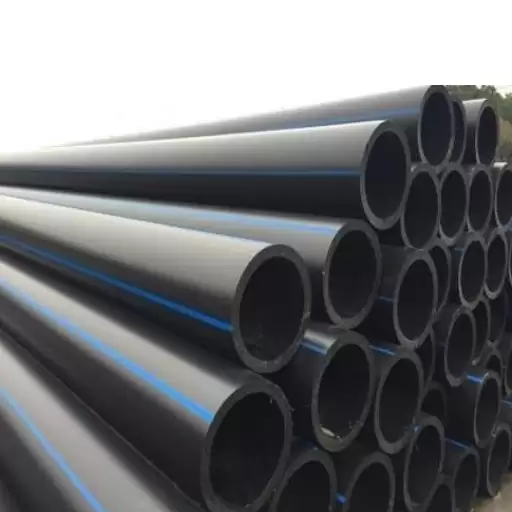
HDPE pipe are renowned for their durability, flexibility, and long service life. They are widely used in mining, municipal water supply, wastewater management, agriculture, and industrial applications in Limpopoathroughout South Africa.
While HDPE is a highly resilient material, improper storage and handling on site can compromise pipe performance, increase installation costs, and lead to avoidable delays. Even the highest-quality HDPE pipe can be damaged if it is not transported, stored, or handled correctly before installation.
Following proper storage and handling practices helps preserve the integrity of the pipe, ensures safe installation, and contributes to the long-term success of any pipeline project.
Why Proper Storage and Handling Matter
HDPE pipes are designed to withstand harsh operating conditions once installed, but they require careful handling during transportation and storage.
Poor storage practices can result in:
- Surface scratches and gouges
- Pipe deformation
- Contamination from dirt or debris
- Damage caused by heavy equipment
- Increased installation challenges
- Reduced pipeline performance
Taking preventative measures before installation helps minimize these risks and protects your investment.
Best Practices for Storing HDPE Pipes
1. Store Pipes on a Flat, Stable Surface
HDPE pipes should always be stored on level ground that is free from rocks, sharp objects, or uneven surfaces. This prevents unnecessary stress and distortion of the pipe.
Where possible, use timber supports or suitable pipe racks to keep pipes elevated and evenly supported.
2. Stack Pipes Correctly
Improper stacking can cause pipes to flatten or become damaged under excessive weight.
To avoid this:
- Stack pipes evenly.
- Follow the manufacturer’s recommended stacking heights.
- Use chocks or restraints to prevent pipes from rolling.
- Store larger-diameter pipes at the bottom of the stack.
Proper stacking not only protects the pipes but also improves safety on site.
3. Keep Pipes Clean
Before installation, pipe ends should be protected from dust, sand, stones, and other contaminants.
Debris inside the pipeline can interfere with welding quality, reduce flow efficiency, and increase maintenance requirements once the system is operational.
Whenever possible, keep protective end caps in place until installation begins.
4. Protect Pipes from Mechanical Damage
Although HDPE has excellent impact resistance, it can still be damaged by careless handling.
Avoid:
- Dragging pipes across rough surfaces
- Dropping pipes from vehicles
- Contact with sharp edges
- Heavy machinery driving over stored pipes
Any visible gouges or deep scratches should be inspected before installation, as they may affect the pipe’s structural integrity.
Safe Handling During Transportation
Transporting HDPE pipes safely is just as important as storing them correctly.
Best practices include:
- Secure pipes properly during transport.
- Use wide lifting slings instead of chains or wire ropes.
- Avoid excessive bending during loading and unloading.
- Lift pipes carefully using suitable equipment.
- Prevent unnecessary impacts during handling.
These measures reduce the risk of damage before the pipes even reach the installation site.
Preparing Pipes for Installation
Before welding or installation begins, each pipe should be inspected carefully.
Check for:
- Surface damage
- Deformation
- Clean pipe ends
- Correct pipe dimensions
- Proper identification markings
Addressing any issues before installation helps prevent costly delays later in the project.
The Role of Proper Handling in HDPE Welding
Successful butt fusion welding depend on clean, undamaged pipe surfaces.
Scratches, contamination, moisture, or damaged pipe ends can negatively affect weld quality and increase the likelihood of joint failure.
Proper storage and handling support high-quality welds by ensuring that pipes arrive at the welding stage in excellent condition.
Site Safety Considerations
Large-diameter HDPE pipes can be heavy and difficult to move without the correct equipment.
To improve safety on site:
- Use trained personnel when handling pipes.
- Wear appropriate personal protective equipment (PPE).
- Follow lifting procedures.
- Secure stacked pipes against rolling.
- Maintain clean storage areas to reduce trip hazards.
Good housekeeping not only protects materials but also contributes to a safer working environment.
Why Contractors Trust Arrant Wise
At Arrant Wise, quality extends beyond supplying HDPE pipes. We understand that successful pipeline projects depend on proper planning, handling, fabrication, welding, and installation.
Based in Limpopo, Arrant Wise’s experienced team provides guidance on best practices for storing, transporting, and handling HDPE pipes, helping clients minimize damage and maximize the lifespan of their pipeline systems.
Whether you’re working on a mining project, municipal water network, industrial facility, or agricultural development throughout Limpopo and other provinces, Arrant Wise supplies high-quality HDPE pipes and complete pipeline solutions tailored to your project’s requirements.
Conclusion
Proper storage and handling are often overlooked, yet they play a crucial role in the success of any HDPE pipeline project.
By storing pipes correctly, handling them safely, and inspecting them before installation, contractors can reduce unnecessary damage, improve welding quality, minimize project delays, and extend the service life of their pipelines.
Investing time in proper handling today helps prevent costly repairs tomorrow.
Contact Arrant Wise
Contact Arrant Wise today and let our experienced team help you build durable, reliable pipeline infrastructure across South Africa.